
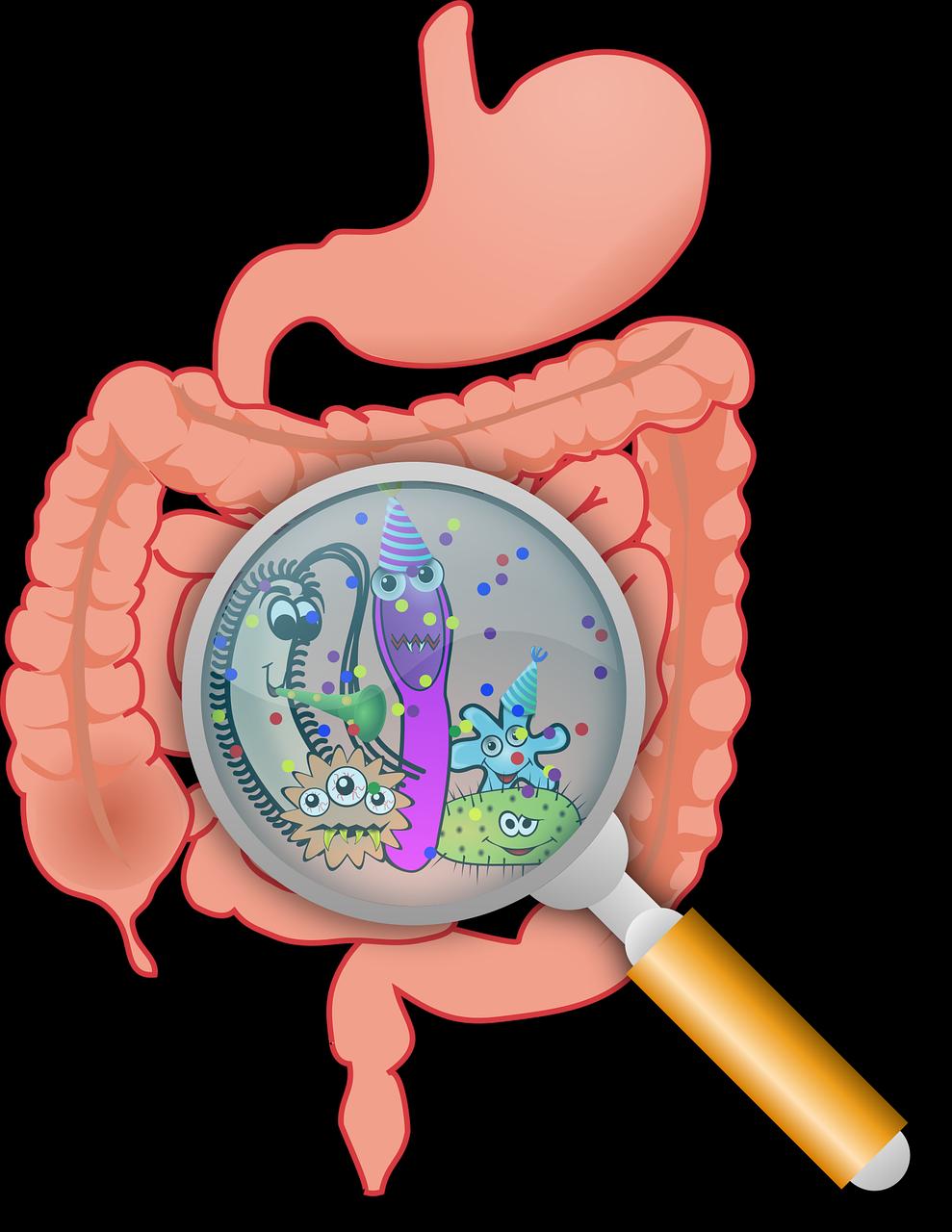
Have you had vague symptoms for a long time that no one can find a clear cause for? Think of recurring digestive issues, a Bloated stomach, unexplained food intolerances, allergies, Leaky gut, brain fog, fatigue or concentration problems. Then it can, surprisingly, be that parasites to play a role.
Many people walk around with this for years without knowing it. The complaints are often not severe enough for an “acute” diagnosis, but just severe enough to disrupt your daily life. Precisely with this group, it is rarely considered intestinal parasites thought.
Parasites can cause a range of symptoms, depending on the type and location of the parasite. Some common complaints include: * **Gastrointestinal issues:** Diarrhea (which can be watery, fatty, or bloody), constipation, abdominal pain, bloating, gas, nausea, and vomiting. * **Skin problems:** Itching, rashes, sores, bumps, or redness. * **Fatigue and weakness:** Persistent tiredness, lack of energy, and general malaise. * **Weight loss:** Unexplained loss of weight despite a normal or increased appetite. * **Nutrient deficiencies:** Anemia (due to blood loss or poor absorption), vitamin and mineral deficiencies. * **Allergic reactions:** Hives, asthma-like symptoms, or other allergic manifestations. * **Neurological symptoms:** Headaches, dizziness, irritability, sleep disturbances, and in rare cases, more severe neurological issues. * **Fever:** Some parasitic infections can cause a fever. * **Visible parasites:** In some cases, you might see worms in your stool or around your anus. * **Coughing or difficulty breathing:** Certain parasites can migrate to the lungs. * **Muscle aches and pains:** Some parasites can affect muscles.
Intestinal parasites rarely have one clear symptom. It often involves a combination of:
- one Bloated stomach, rumbling stomach, flatulence
- Alternating bowel movements: diarrhea, softer stools, or alternating diarrhea and constipation
- Stomach ache or cramps, sometimes especially after eating
- nausea or feeling full quickly
In addition, we regularly see complaints that are not initially directly linked to the intestines:
• new or increasing food intolerances (e.g., gluten, lactose, histamine)[3][4]
worsening of allergies of the development of skin complaints (itching, eczema-like patches, hives)[5]
• brain fog, difficulty concentrating, easily overstimulated
• (chronic) fatigue and a feeling of “fuzziness”
• unexplained weight loss or weight gain
• nutrient deficiencies such as iron or B12[1]
Do you recognize a combination of digestive issues met brain fog, fatigue and new intolerances or allergies, and it makes sense to also parasites to think about.
What are parasites, anyway?
An parasite is an organism that lives off another living being (the “host”) without giving anything back. In humans, this mainly concerns:
- Single-celled parasites (protozoa), such as Giardia lamblia, Blastocystis hominisen Dientamoeba fragilis[1][3]
- Worms (helminths), such as pinworms, tapeworms, and roundworms [2]
This intestinal parasites can affect your digestion, immune system, and even your brain. They use your nutrients, irritate the intestinal wall, and disrupt your gut flora.
How do you get infected with intestinal parasites?
You don't really have to have been to the tropics to parasites to walk. Contamination often happens in very mundane ways:
- via contaminated drinking water or recreational water (lakes, rivers, swimming pools) [1][3]
- via unwashed vegetables and fruit, raw or undercooked meat or fish, or raw milk products [2]
- through contact with animals and their feces (for example, when cleaning a litter box or dog poop)
- from person to person, especially within families and with young children (via hands, toys, bedding) [2]
Even if you haven't traveled in years, you can still Intestinal parasite wear it with you.
Parasites, intestinal wall, and leaky gut
Your intestines are not just a digestive tract, but also an important immune organ. A large part of your defenses is located around your intestines [7]. If something gets out of balance there, you often notice it throughout your entire body.
Intestinal parasites can
- to damage the mucous membrane of your intestines
- opening the junctions between the intestinal cells (we call this “leaky gut”)[3][8]
- Inflammatory reactions in the gut and body activate
This allows undigested food particles and other substances to more easily enter the bloodstream. Your immune system has to work harder, which can contribute to:
- the onset or worsening of food intolerances
- allergic reactionsand skin problems
- fatigue, brain fog mood disorders
This is how the combination arises that many people recognize:
Leaky gut, digestive issues, food intolerances in
concentration problems.
How we at Ars Biomedica look
In our naturopathic clinic, we don't just look at the individual complaint, but at the overall picture: Gut health
, immune system, nutrition, Stress and lifestyle.
A regular stool examination [9] is often insufficient to demonstrate the presence of parasites. The reason is that more expensive and specific tests are needed, which are often not prescribed. Not all parasites are present in the intestines, and thus not detectable in stool, but in other organs.
At Ars Biomedica, we test for the presence of parasites using a different method with the Hunter-Metatron and bioresonance. A treatment can consist of:
- Frequency therapy and bioresonance that attack and kill specific and tested parasites.
- Detoxification and cleansing of the body. Parasites thrive in a toxic environment. By detoxifying, we reduce the “ideal living climate” for parasites. [10]
- Specific herbs against intestinal parasites.
- Food and supplements to intestinal wall to restore and Leaky gut to reduce
- Support for the restore gut florawith prebiotics and probiotics
- Strengthening immunity.
Only “taking something against parasites” without addressing your gut environment, diet, and lifestyle often yields no lasting results. Sustainable recovery requires an integral approach.
Do you recognize yourself in this story and have you been experiencing unexplained complaints for a while? Then it might be useful to intestinal parasites to investigate as a potential link in the chain. Schedule an appointment with us here of plan a free introductory meeting to discuss your options.
Are you experiencing other complaintsWe can help you with that too.
Sources
For those who want to read further (in English, but easy to follow):
[1] Fletcher SM et al. Enteric protozoa in the developed world: a public health perspective. Clinical Microbiology Reviews. 2012.
[2] Hotez PJ et al. Helminth infections: the great neglected tropical diseases. Journal of Clinical Investigation. 2008.
[3] Cacciò SM & Sprong H. Epidemiology of giardiasis in humans. In: Giardia and Cryptosporidium. 2010.
[4] Maizels RM & McSorley HJ. Regulation of the host immune system by helminth parasites. Journal of Allergy and Clinical Immunology. 2016.
Salem A & El-Shazly A. Parasitic infections and skin manifestations. Journal of the Egyptian Society of Parasitology. 2010.
Foster JA & McVey Neufeld K‑A. Gut–brain axis: how the microbiome influences anxiety and depression. Trends in Neurosciences. 2013.
[7] Mowat AM & Agace WW. Regional specialization within the intestinal immune system. Nature Reviews Immunology. 2014.
[8] Troeger H et al. Effect of chronic Giardia lamblia Infection of epithelial transport and barrier function in the human duodenum. Gut. 2007.
[9] Verweij JJ. Application of PCR-based methods for diagnosis of intestinal parasitic infections in the clinical laboratory. Parasitology. 2014.
[10] Clark HR. The Cure for All Diseases. San Diego, CA: New Century Press; 1995. (Alternative/naturopathic approach, not a recognized scientific standard work.)